Incontinence is a loss of bladder or bowel control that causes you to pass urine or faeces when you do not mean to. This can range from a small ‘dribble’ now and then to large floods of urine or a complete bowel movement.
Urinary Incontinence can have devastating effects on the woman, detrimentally affecting her level of activity and psychosocial state, leading to depression and withdrawal from social settings.
Characterisation of the type of incontinence can help to elucidate the underlying aetiology and help to guide management. While urinary incontinence may be the result of several underlying and overlapping pathophysiological mechanisms, this topic focuses on non-neurogenic stress and urgency incontinence.
It is estimated that 3 million people in the UK are regularly incontinent. It is possible that this number is higher as many people don’t tell anyone about their problem. Incontinence is often preventable and treatable. Anyone can experience incontinence, although it is more common in older people. It affects far more women than men and is thought to occur in 1 in 5 women over the age of 40. Many people think it is an inevitable part of ageing but there are several forms of treatment available.
Continence is an important contributor to a person’s health and well-being at any stage of life. It is also a key factor in the use of health resources for the following reasons:
In older people, incontinence and associated bladder and bowel disorders may be associated with physical problems such as skin breakdown, falls, urine infection and catheter associated urinary tract infection which in turn often causes confusion. Confusion and its sequelae often result in an acute hospital admission.
Incontinence or the use of urinary catheters significantly increases the level of dependency in frail older people. This may delay discharge from hospital or initiate a move into a residential or nursing care setting.
This guidance helps to ensure people receive excellent continence care; consideration should be given to:
-
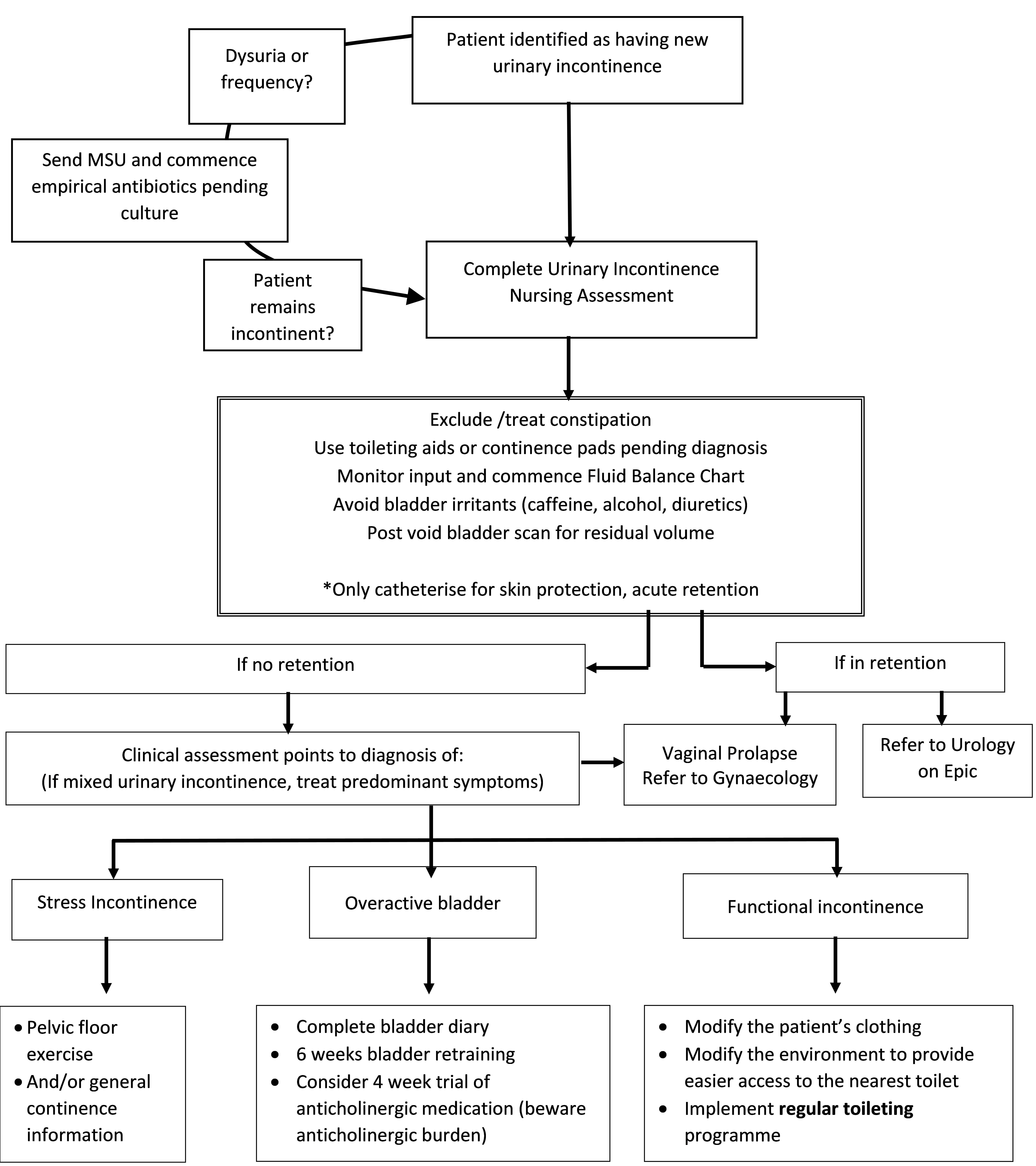
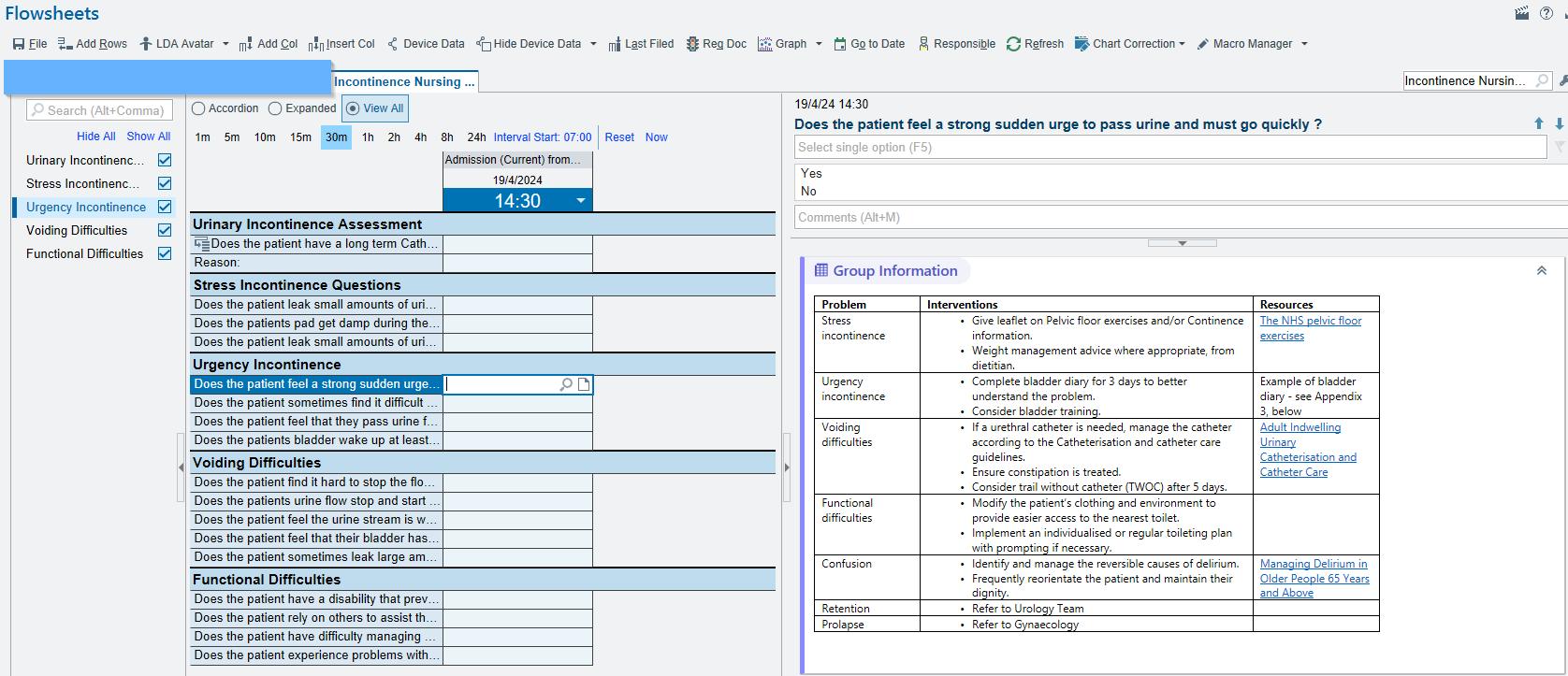
Early assessment by an appropriately trained professional, allowing a patient centred and cost-effective care pathway to be followed.
-
After assessment, the use of containment products, medication and the level of intervention can be triaged and escalated.
-
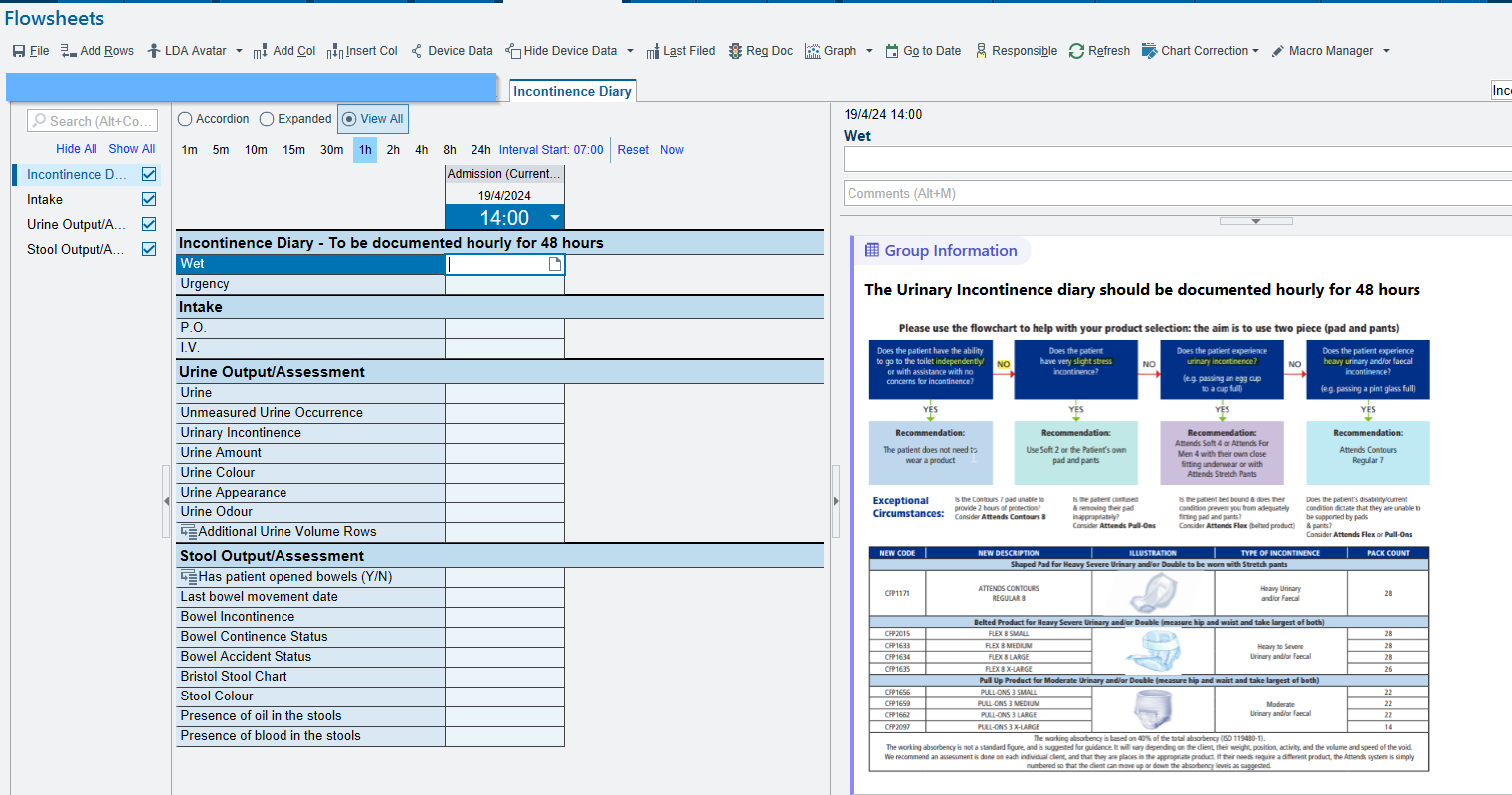
Containment with the use of pads or catheters may be the only realistic option for some people, but this management has associated problems.