Key Points
-
Diphoterine® should only be applied by trained healthcare professionals in the environment of the Burns Unit, or purposely chosen area in the Emergency Department (Wexham Park Hospital and Frimley Park Hospital)
-
Diphoterine® is a washing solution designed for ocular and cutaneous chemical burns. It is an amphoteric, chelating and hypertonic solution and limits the effects of the corrosive substance
-
Diphoterine can be used for all acids and alkalis apart from hydrofluoric acid.
This is a controlled document. If you are using a printed copy, check it against the guidelines site to ensure you are using the latest edition. Print copies must be destroyed after use.
Abbreviations
Introduction
Diphoterine® should only be applied by trained healthcare professionals in the environment of the Burns Unit or purposely chosen area in the Emergency Department (Wexham Park Hospital and Frimley Park Hospital).
Diphoterine® is a washing solution designed for ocular and cutaneous chemical burns. It is an amphoteric, chelating and hypertonic solution and limits the effects of the corrosive substance.
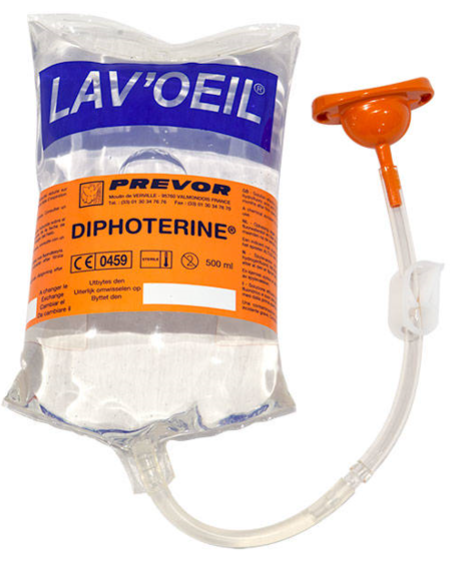
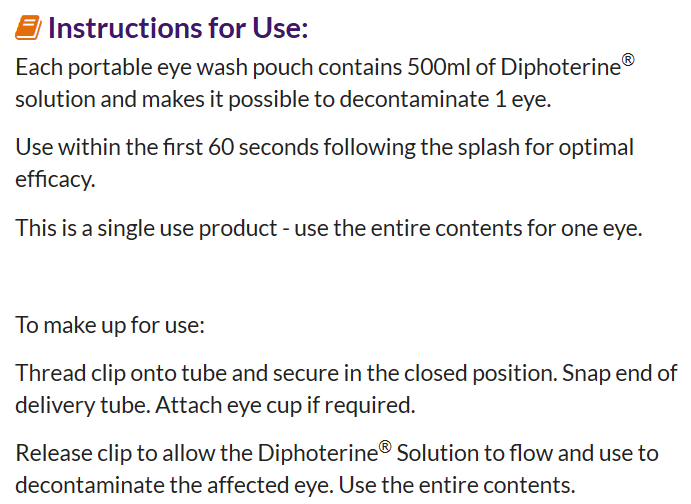
Diphoterine® is available in two different forms:
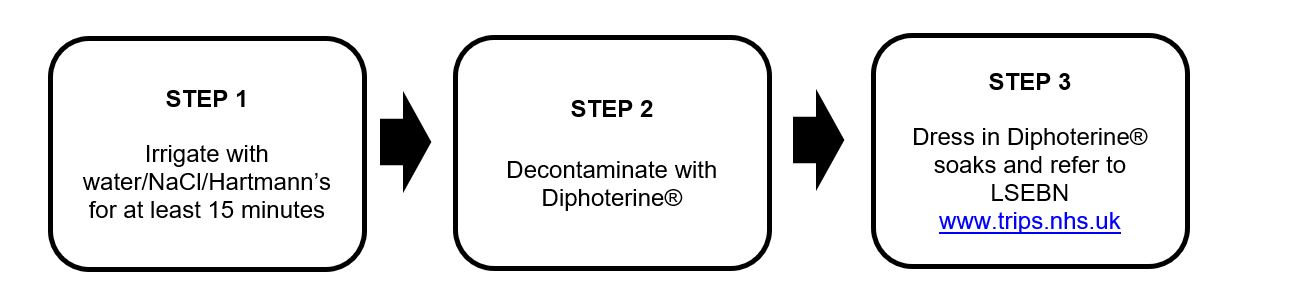
A prolonged washing time with Diphoterine of 3 – 5 times the contact time is recommended in areas with a contact time greater than 1-minute (15-30 mins). Post decontamination soaks are therefore recommended in all patients decontaminated with Diphoterine®.
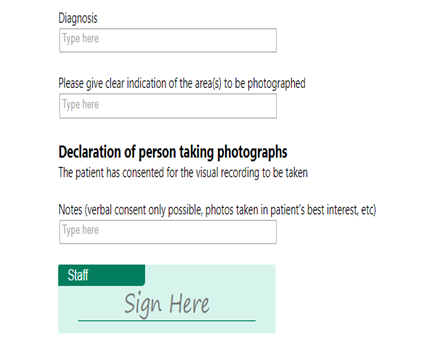
The use of Diphoterine® should follow a systematic approach, using the following 4 step process to ensure safe, holistic and proficient treatment of the patient. Photographs of the burn should be taken at each of the highlighted stages.
-
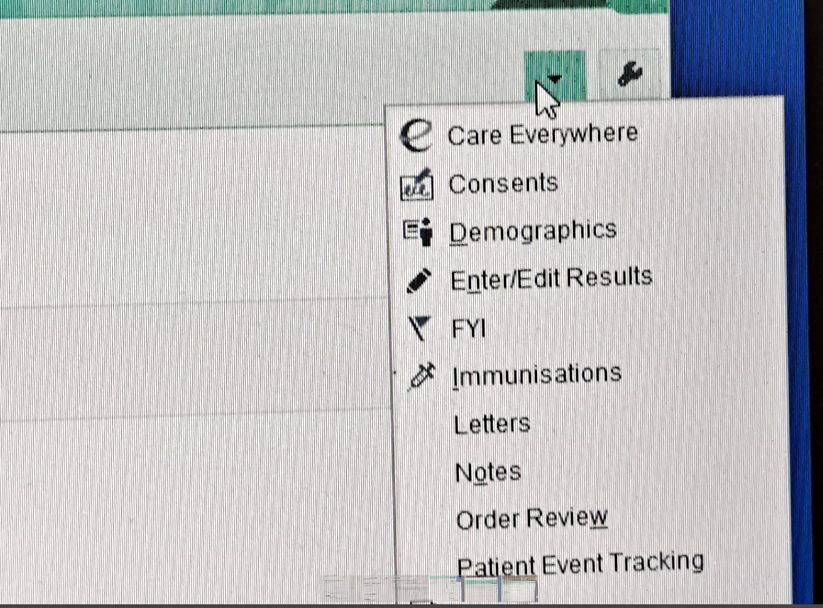
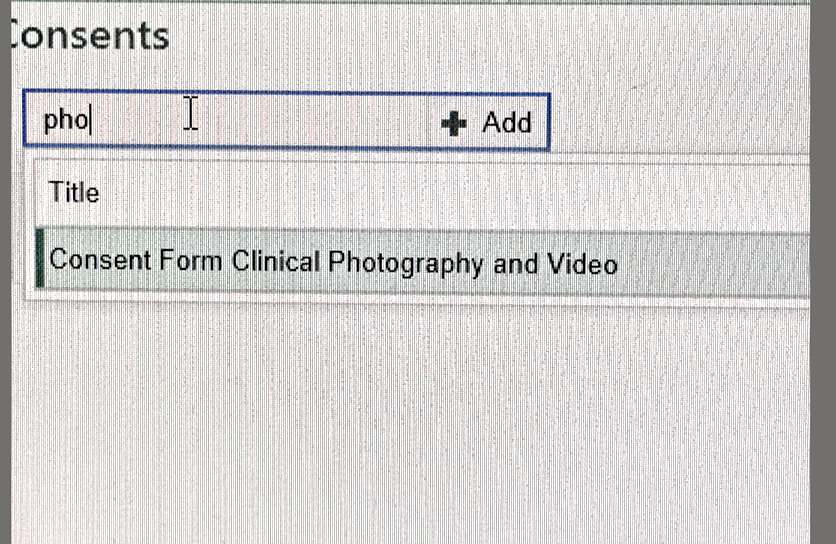
Required paperwork including consent form completion for FHFT
-
Decontamination
-
Post-soaks
-
Audit form
If evidence of chemical ocular injury, or there is potential for ocular injury due to location of the injury please ensure IMMEDIATE referral to ophthalmology is made at Frimley Park via on-call Ophthalmologist 24 hrs via switchboard.