Key Points
-
Falls in older patients are common and can cause significant morbidity and mortality.
-
Unwitnessed falls are sometimes associated with long lie, due to inability to get up from fallen position or ground for more than 1 hour. (1)
-
Long lie is associated with complications such as rhabdomyolysis, fear of falling, pneumonia, pressure sores and dehydration. (2)
-
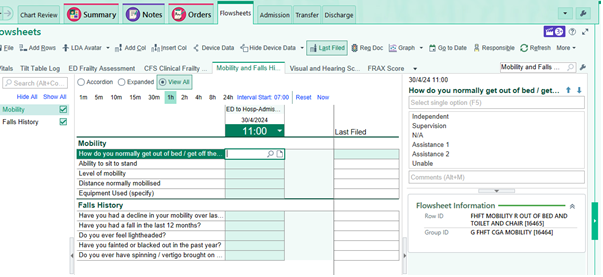
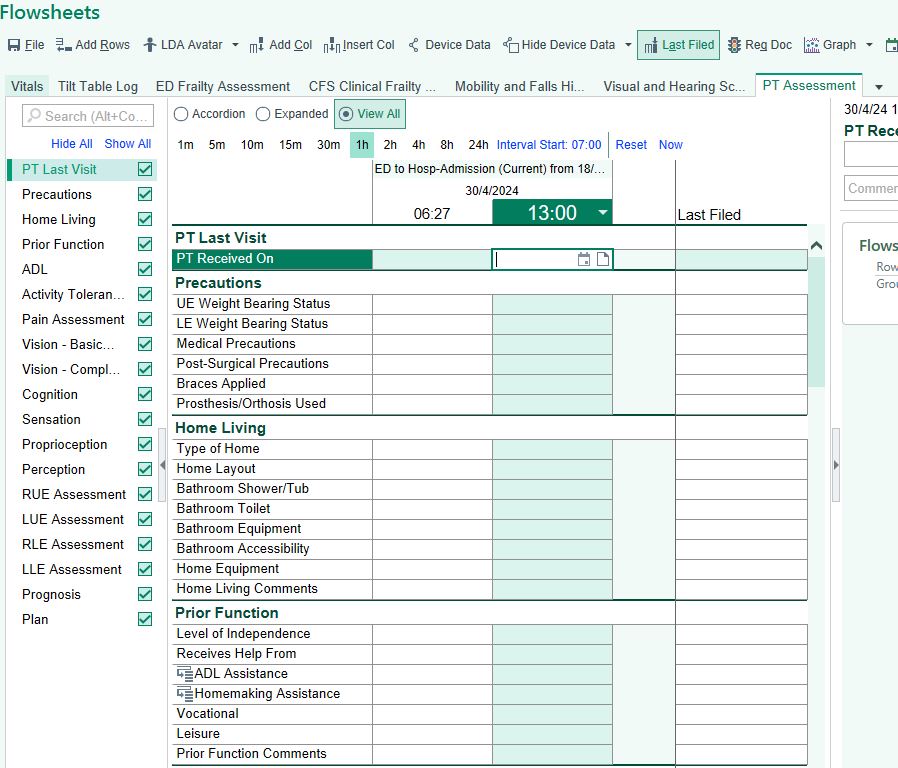
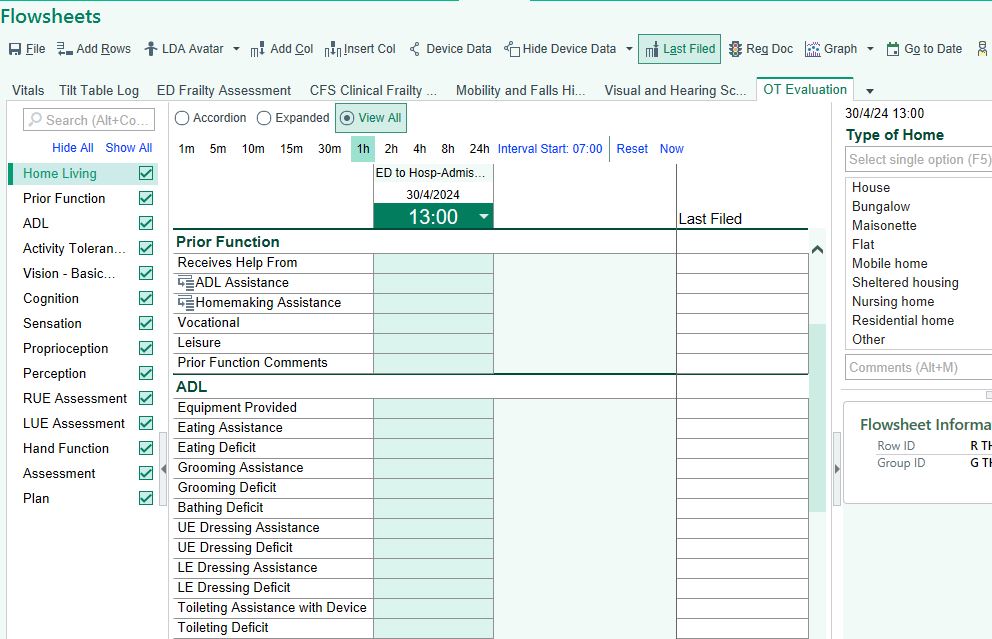
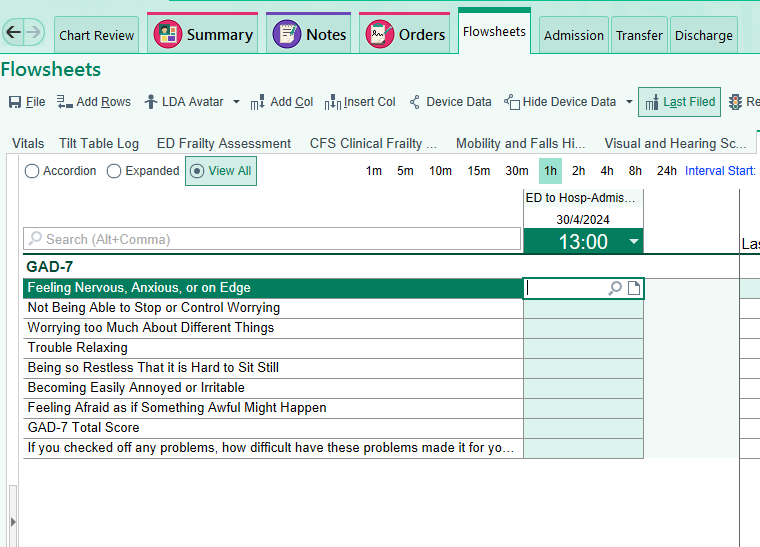
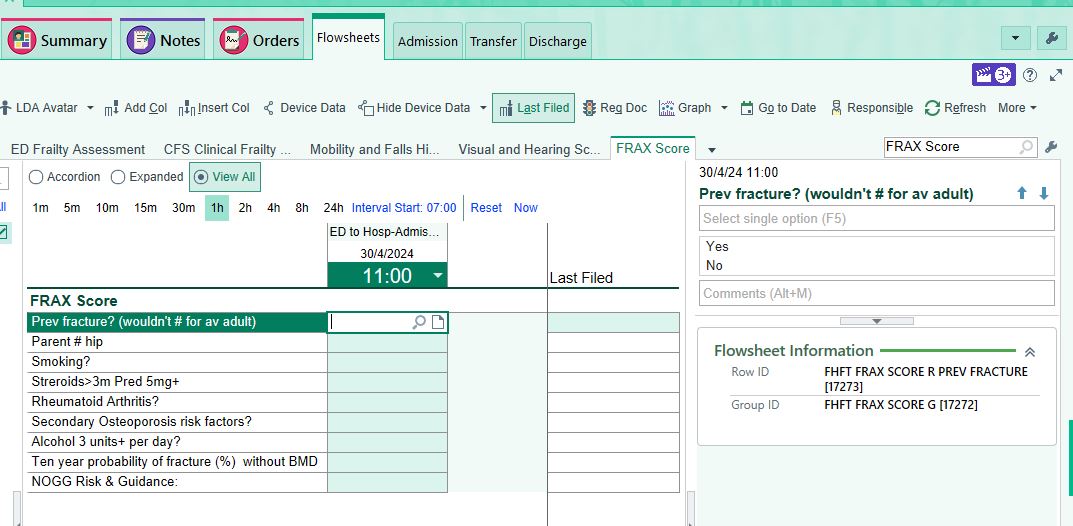
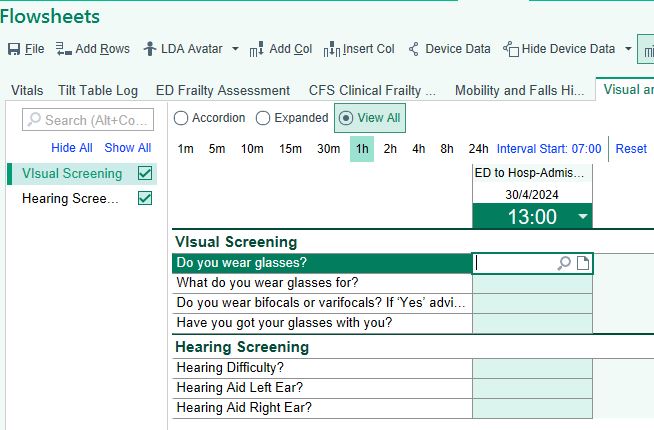
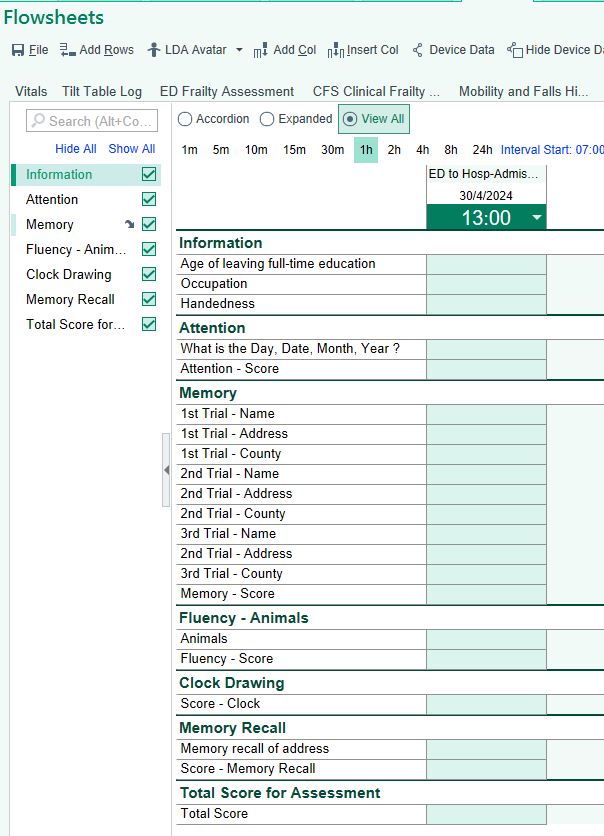
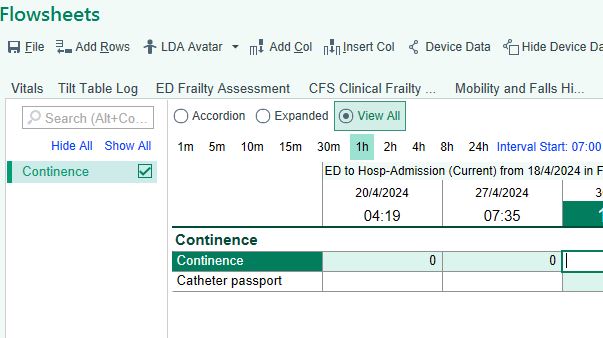
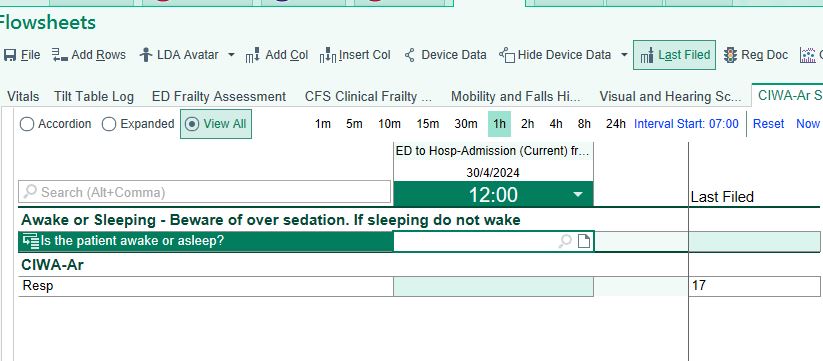
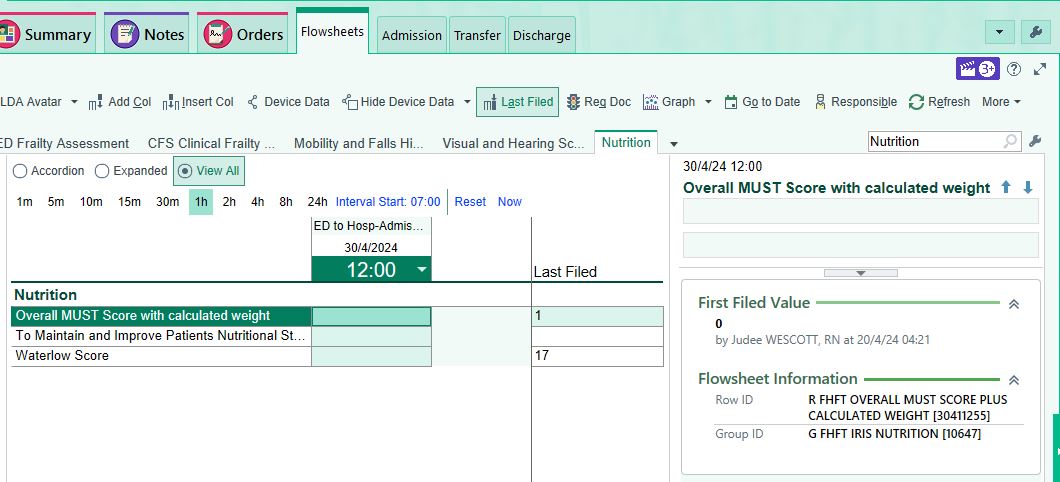
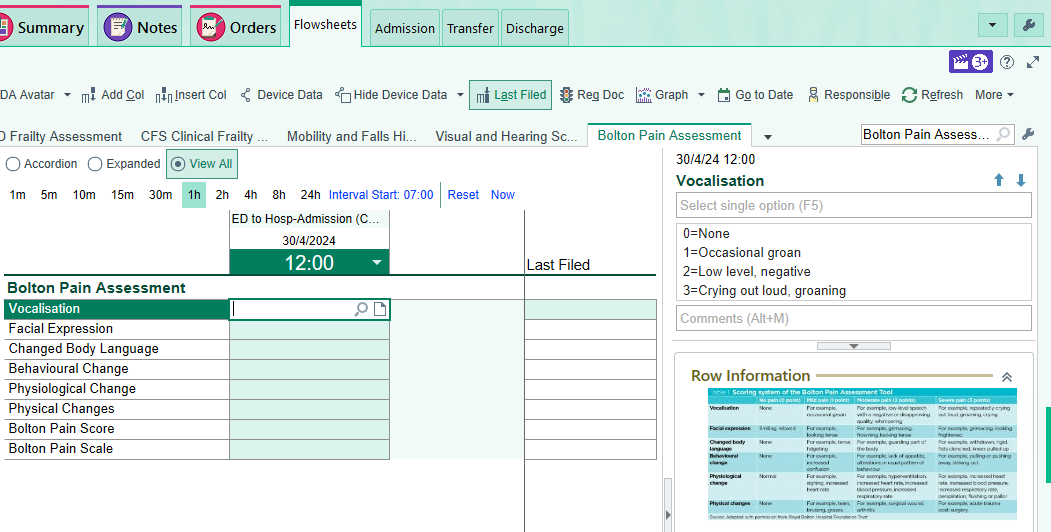
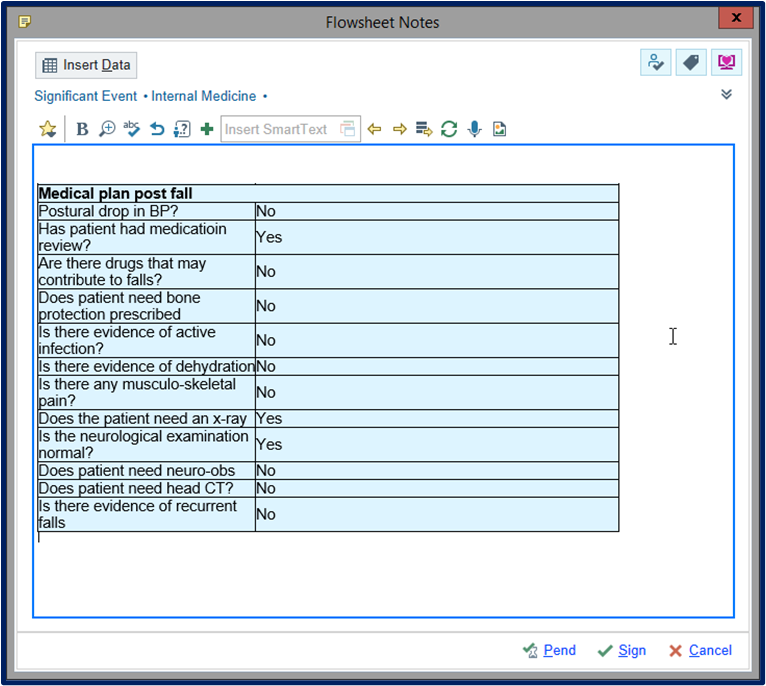
MDT can use the Epic flowsheet assessment tool to guide fall multifactorial assessment, this is shared among MDT (doctors, nurse, PT and OT).
-
Recurrent inpatient falls need MDT joint assessment and discussion to mitigate the risk of future fall. This group of patients could mean a loss of independence in activities of daily life and premature institutionalisation.
| Version: | 1 |
|---|---|
| Date Issued: | 15/07/2024 |
| Review Date: | 01/07/2027 |
| Key words: | Falls, inpatient falls |
This is a controlled document. If you are using a printed copy, check it against the guidelines site to ensure you are using the latest edition. Print copies must be destroyed after use.
Abbreviations
| CPN | Community Psychiatric Nurse |
|---|---|
| CT | Computed tomography |
| DBP | Diastolic blood pressure |
| GAD | Generalised Anxiety Disorder |
| GP | General Practitioner |
| LD | Learning Disability |
| MDT | Multidisciplinary team |
| Mini ACE | Mini-Addenbrooke's Cognitive Examination |
| MOCA | Montreal Cognitive Assessment |
| OT | Occupational therapist |
| PT | Physiotherapist |
| SBP | Systolic blood pressure |
| START | Screening Tool to Alert to Right Treatment |
| STOPP | Screening Tool of Older Persons' Prescriptions |
| UTI | Urinary tract infection |